EV Charging Garage Interface
A garage interface designed to simplify the home EV charging experience
Role
Product Designer Industrial Design · Physical Prototyping
Industry
Electric Vehicles · Infrastructure Design
Duration
2 Weeks
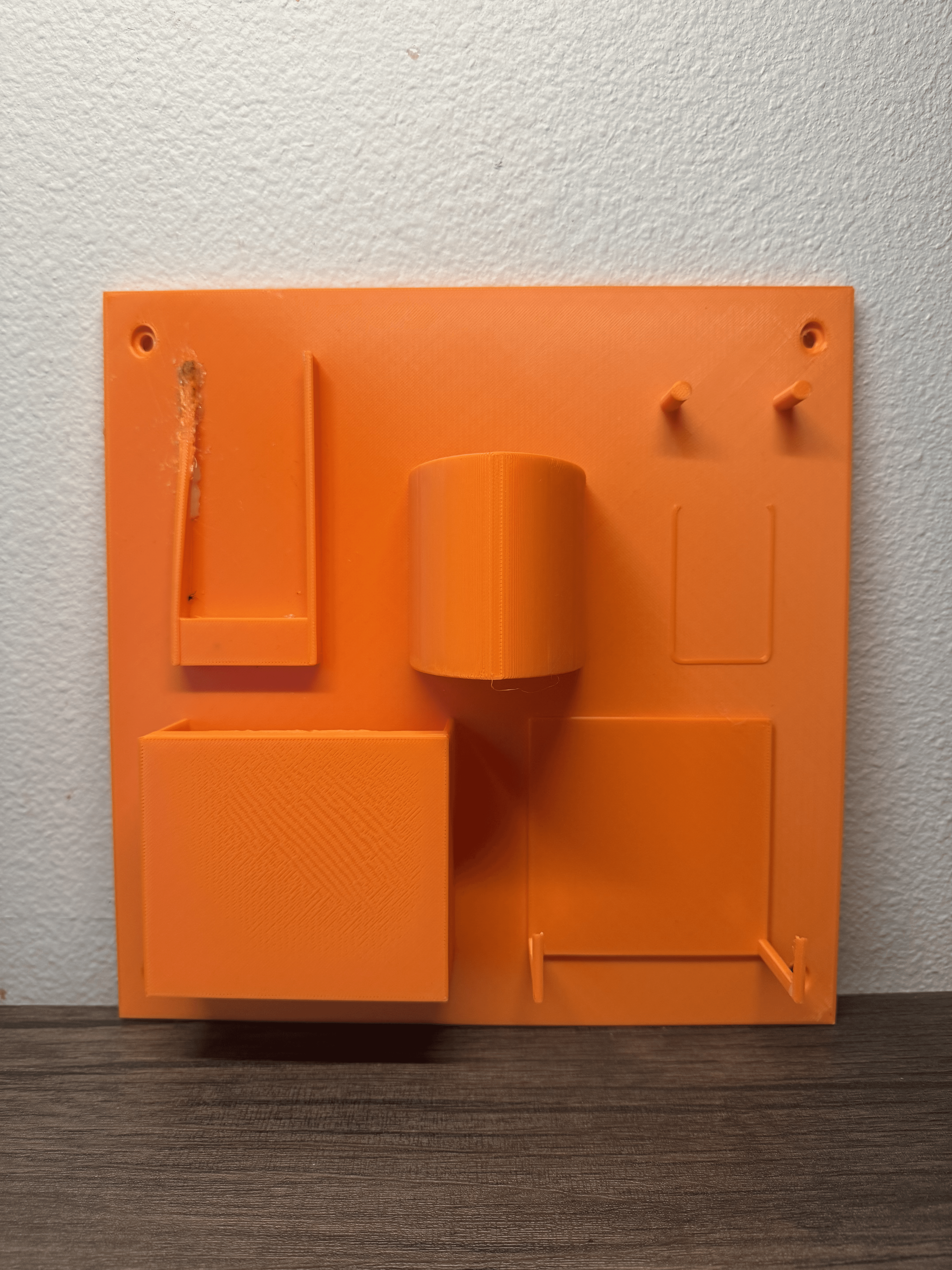
Understanding the Charging Experience
As electric vehicles become more common, home charging has become part of many drivers’ daily routines. However, most home charging setups are designed primarily around electrical infrastructure rather than the everyday interactions that occur around the charging process.
Drivers often arrive home carrying keys, phones, or drinks while simultaneously managing the charging cable and interacting with their vehicle. These small actions can create friction in what should otherwise be a simple routine.
This project explores how a physical interface placed next to a home EV charger could organize these interactions into a single, intuitive system.
Inspired by UN Sustainable Development Goal 9: Industry, Innovation, and Infrastructure, the goal of this project was to explore how thoughtful physical design can improve the usability of emerging infrastructure systems such as electric vehicle charging.
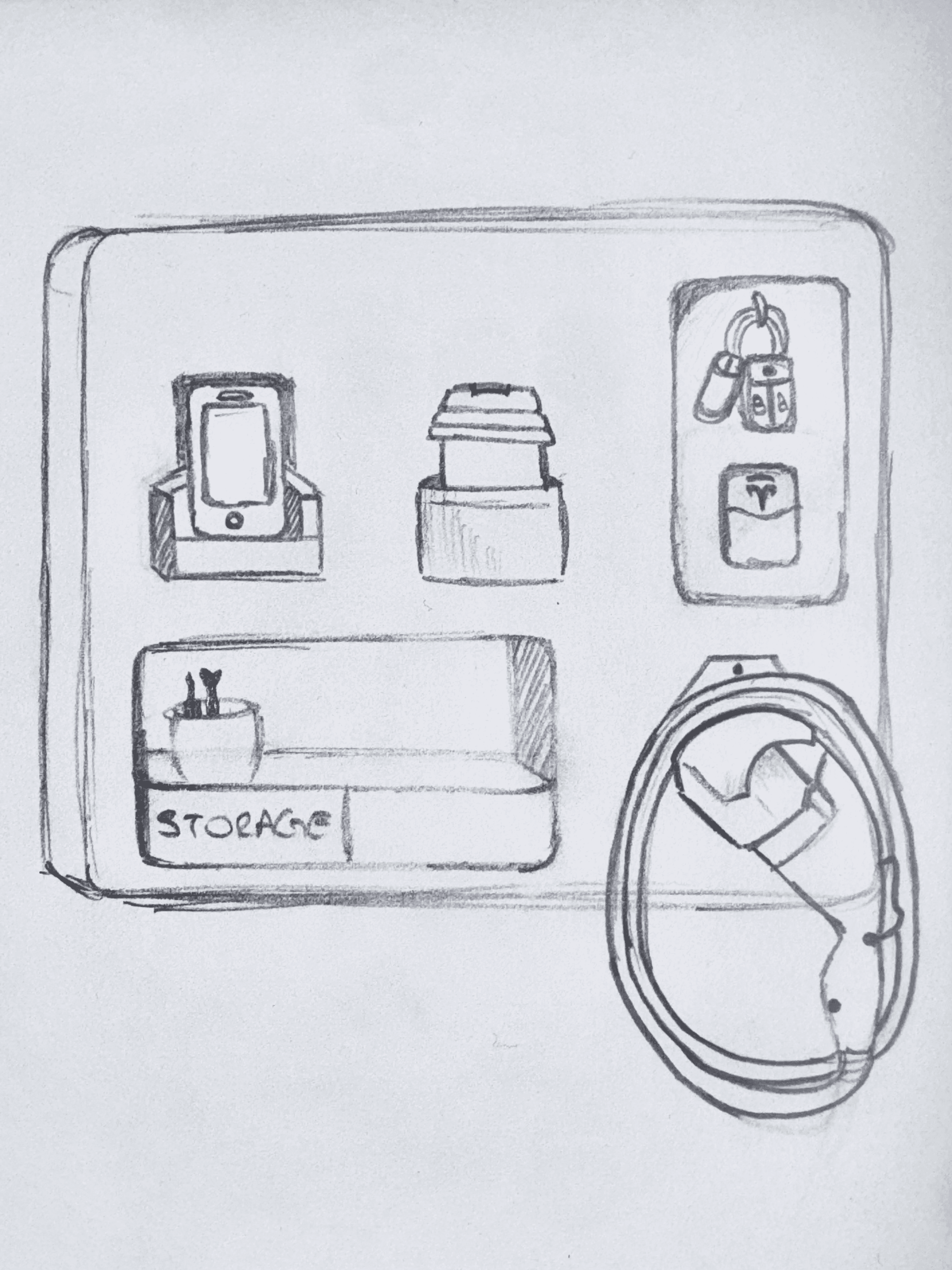
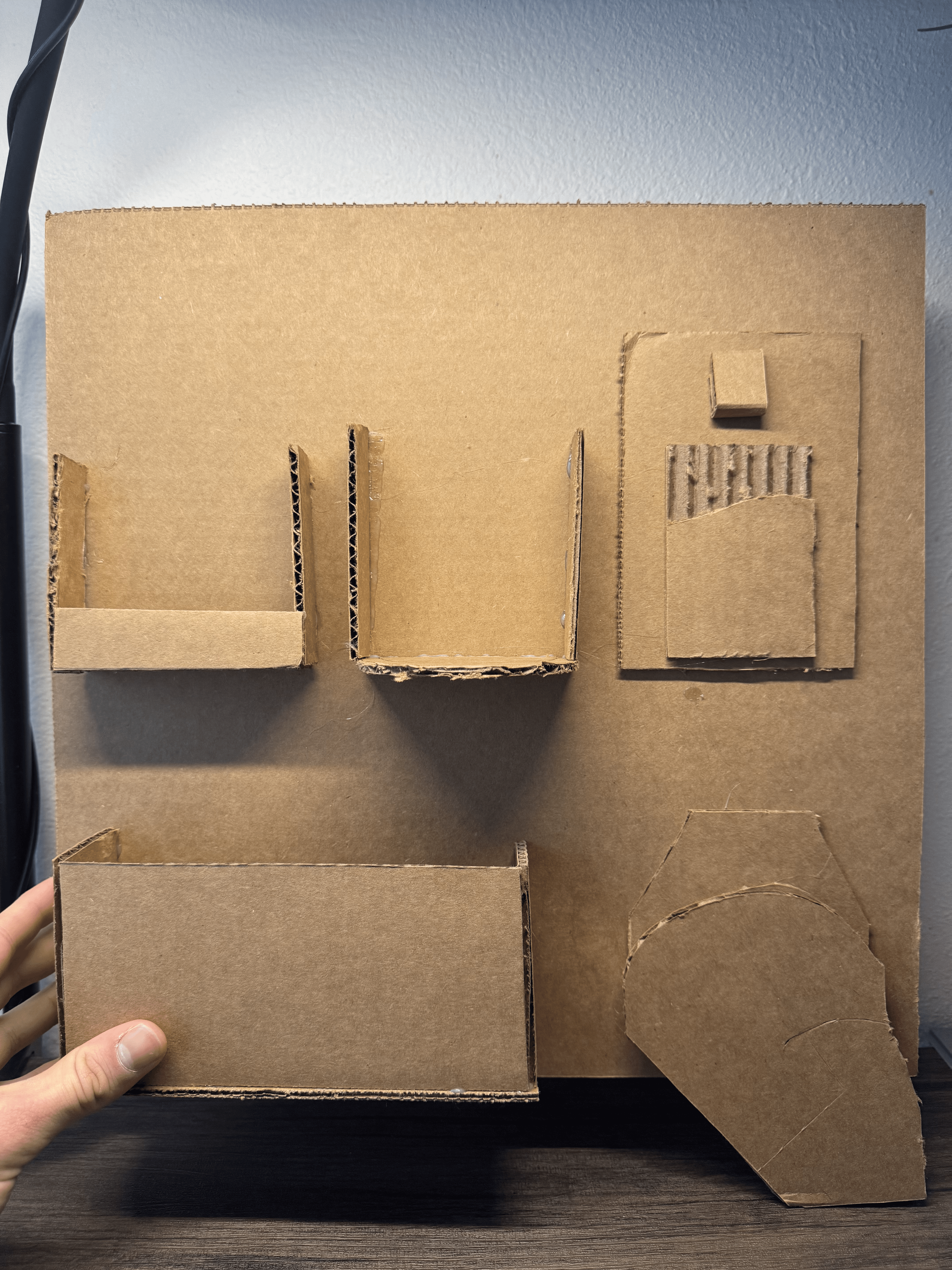
Prototyping the Spatial Layout
The design process began with rapid physical prototyping to explore how different components could be organized into a single interface.
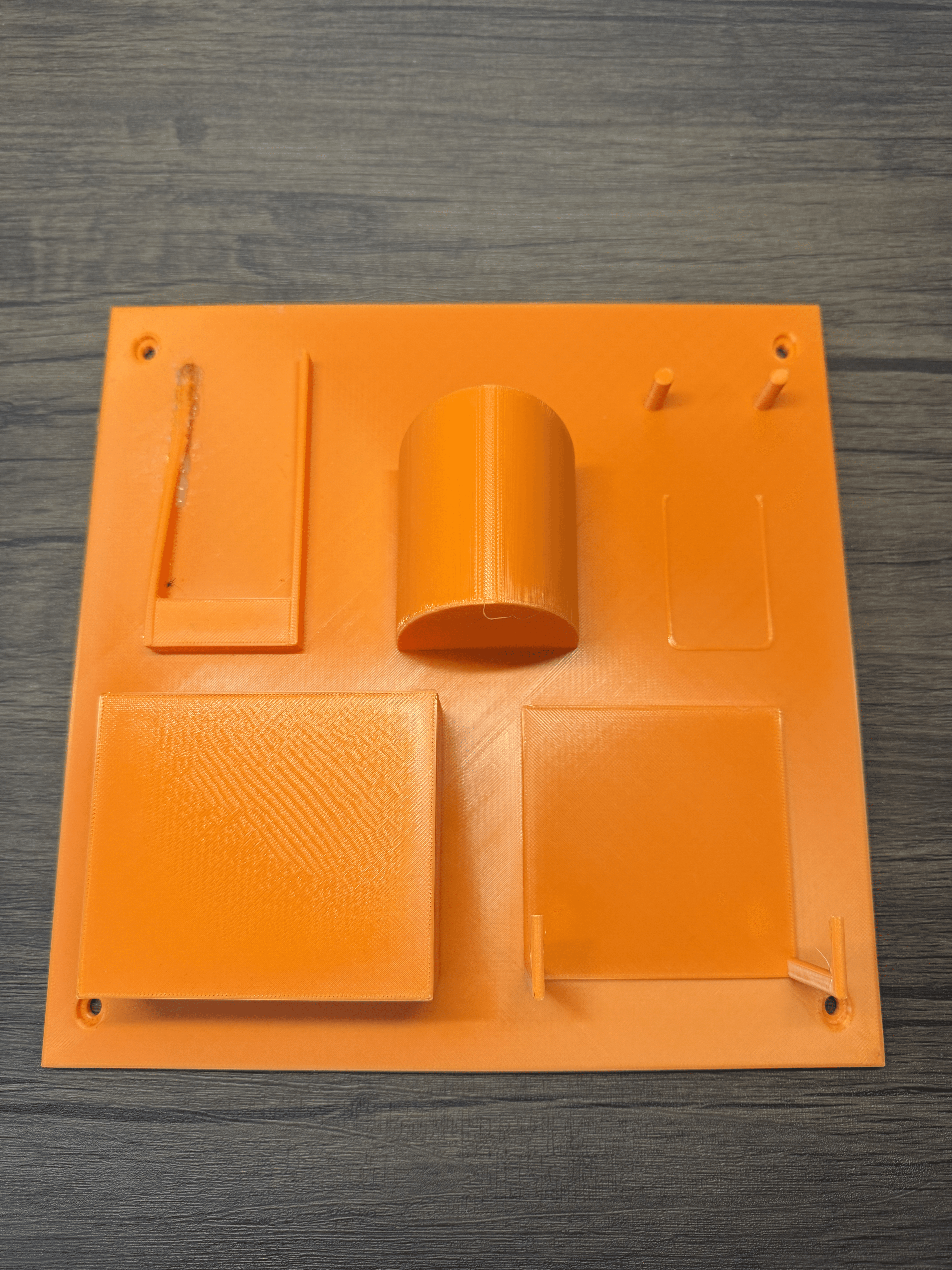
Using simple cardboard structures allowed quick experimentation with the placement of the phone stand, cable management structure, storage compartments, and accessory holders. Working at a low level of fidelity made it possible to test spatial relationships and interaction zones before committing to a more refined fabrication process.
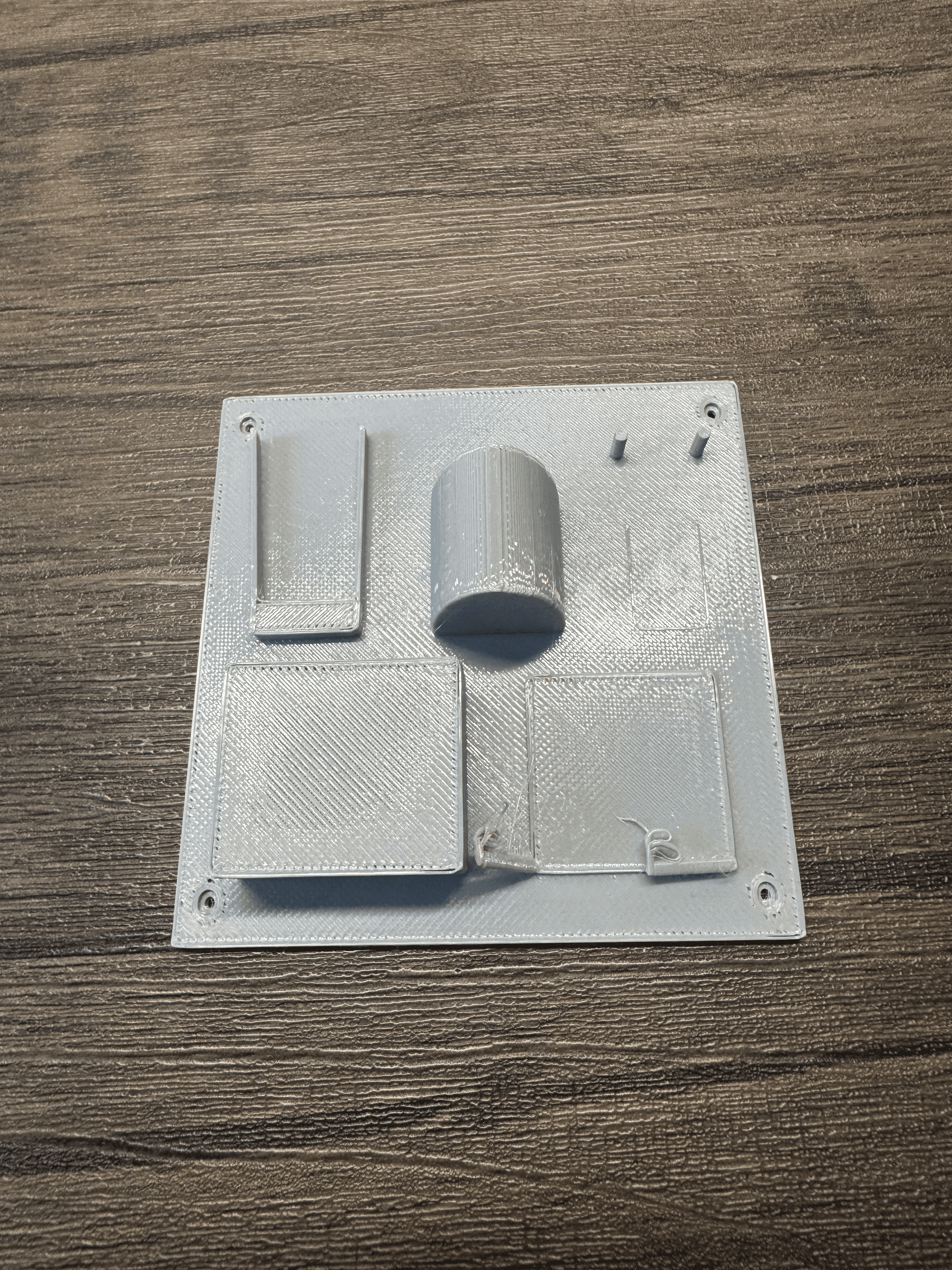
After refining the layout through these prototypes, the design was translated into a digital model using Rhinoceros 3D and prepared for fabrication through 3D printing.
Several small test prints were produced to verify geometry and printing feasibility before producing the final prototype.
Insights from Physical Prototyping
Testing the prototypes revealed how small physical affordances can significantly improve the usability of everyday charging routines.
Participants responded particularly positively to the dedicated cable wrapping structure, which simplified the process of storing the charging cable compared to wrapping it around the charger itself.
The prototypes also showed that grouping multiple charging-related interactions into a single interface can reduce friction when arriving home. Features such as the phone stand, key holders, and storage compartments helped create a more organized and intuitive workflow around the charging process.
More broadly, this project reinforced the value of iterative physical prototyping for exploring spatial organization and interaction design. Even simple low-fidelity prototypes helped reveal usability insights that informed later design decisions.
Future iterations could explore full-scale fabrication, materials suitable for garage environments, and mounting systems that integrate directly with existing EV charging infrastructure.
Other projects
Gaia
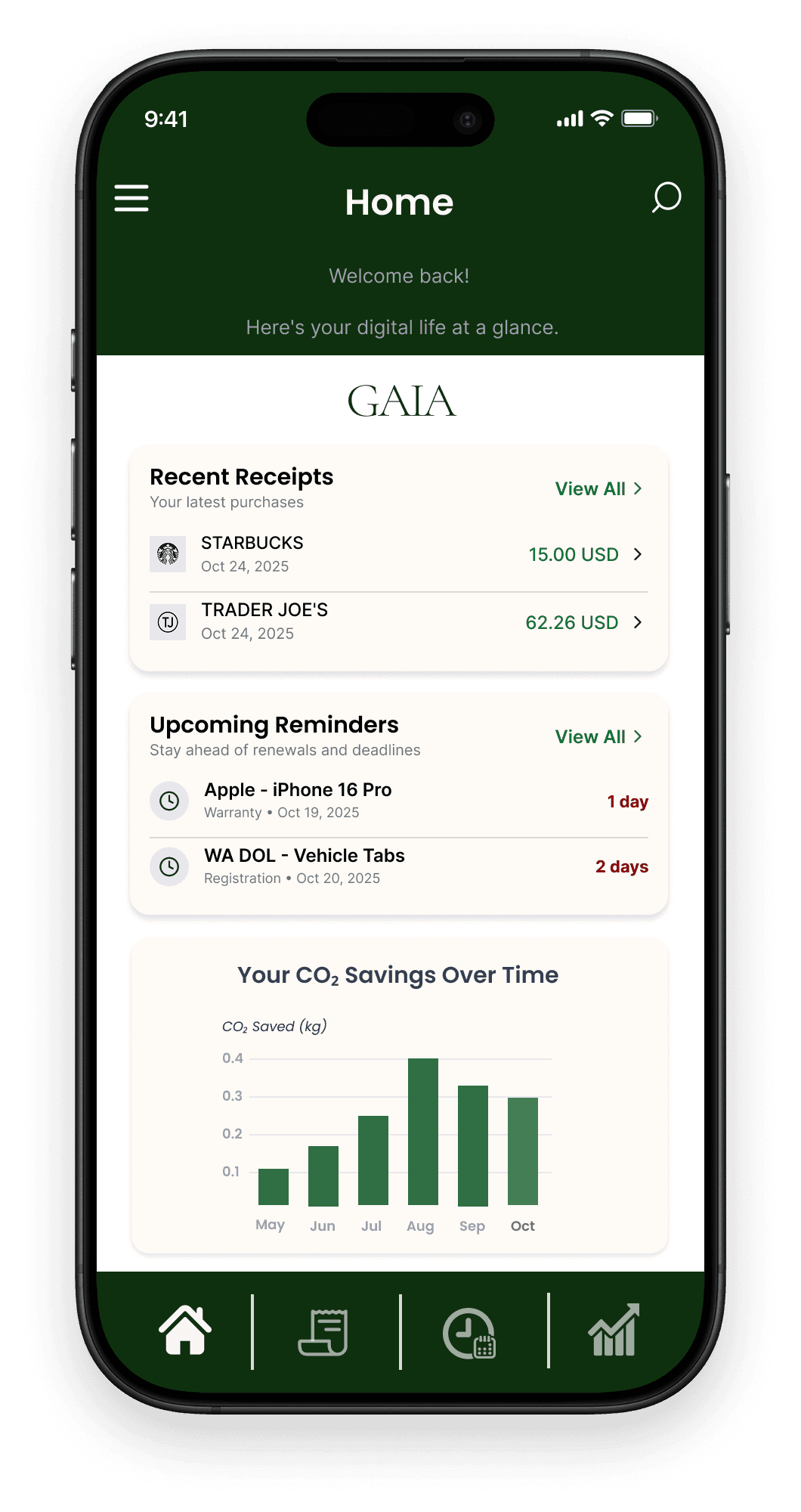
Automatic digital receipts and smart reminders powered by secure transaction data
Targ
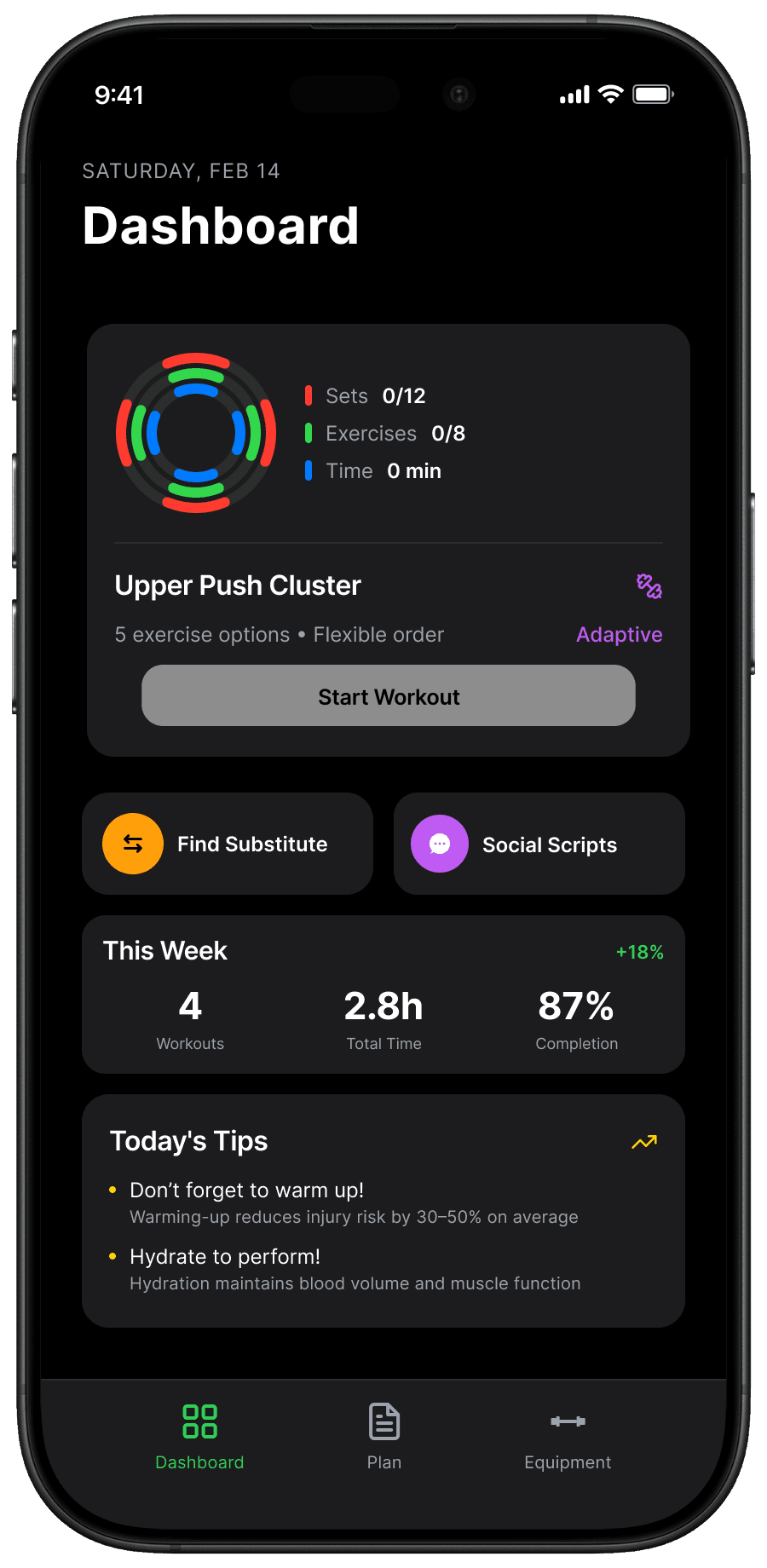
Adaptive Workout Decision Support App
Toph
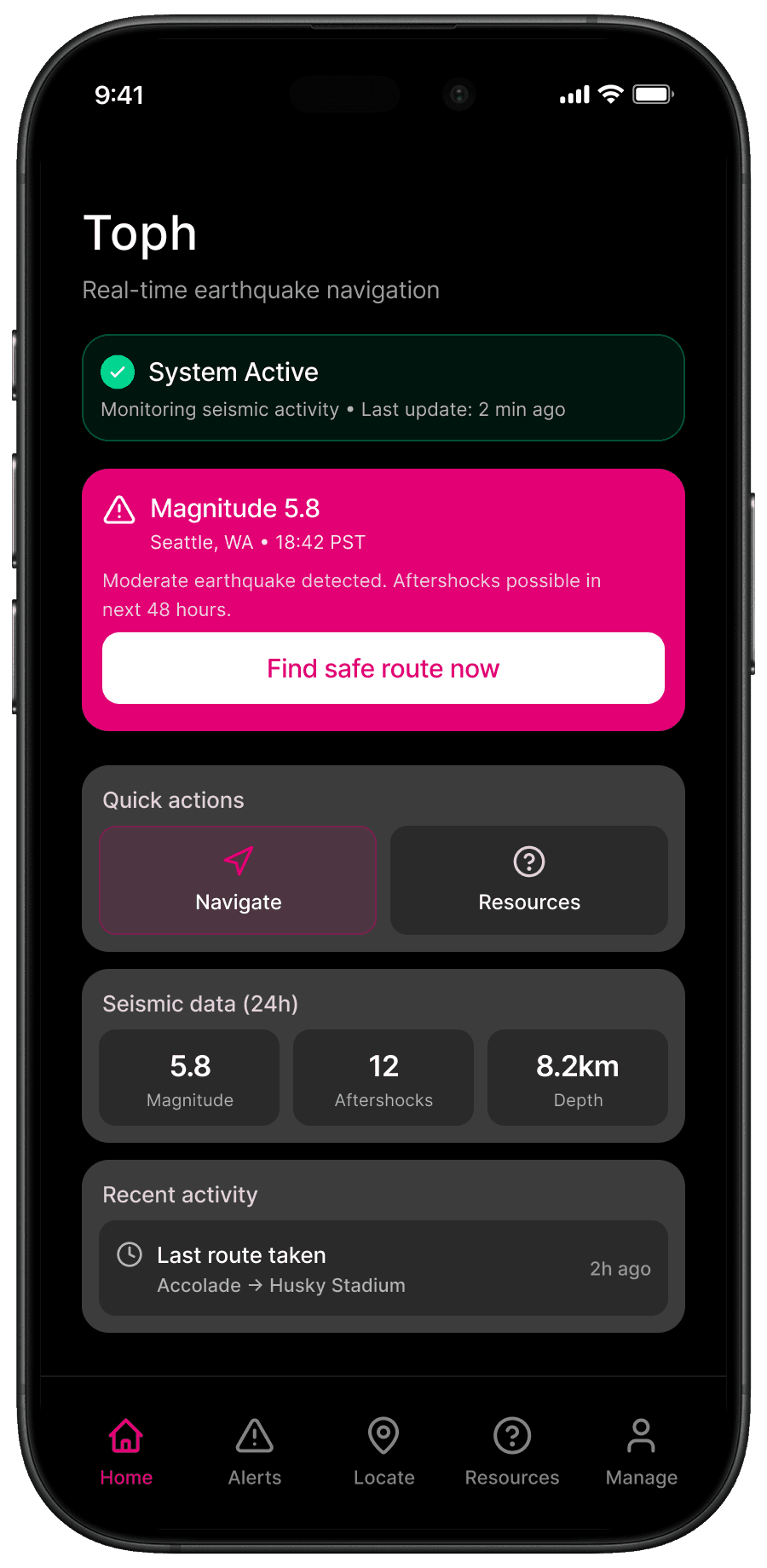
Real time earthquake routing and safety navigation powered by live seismic data
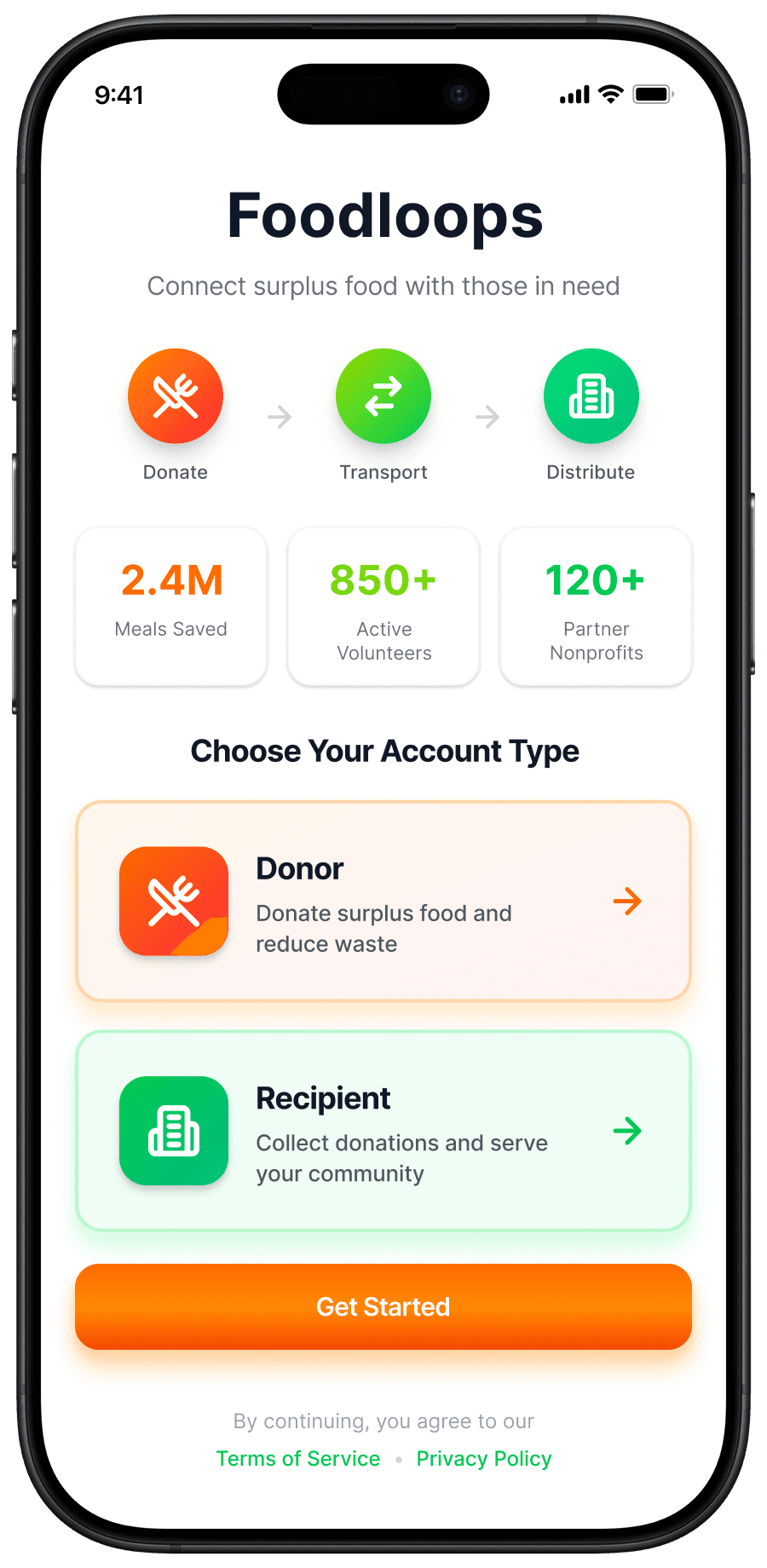
Foodloops
A coordinated food recovery platform designed to orchestrate donors, recipients, and volunteer drivers